What's the process for purchasing land for self-build in Northern Israel near Safed?
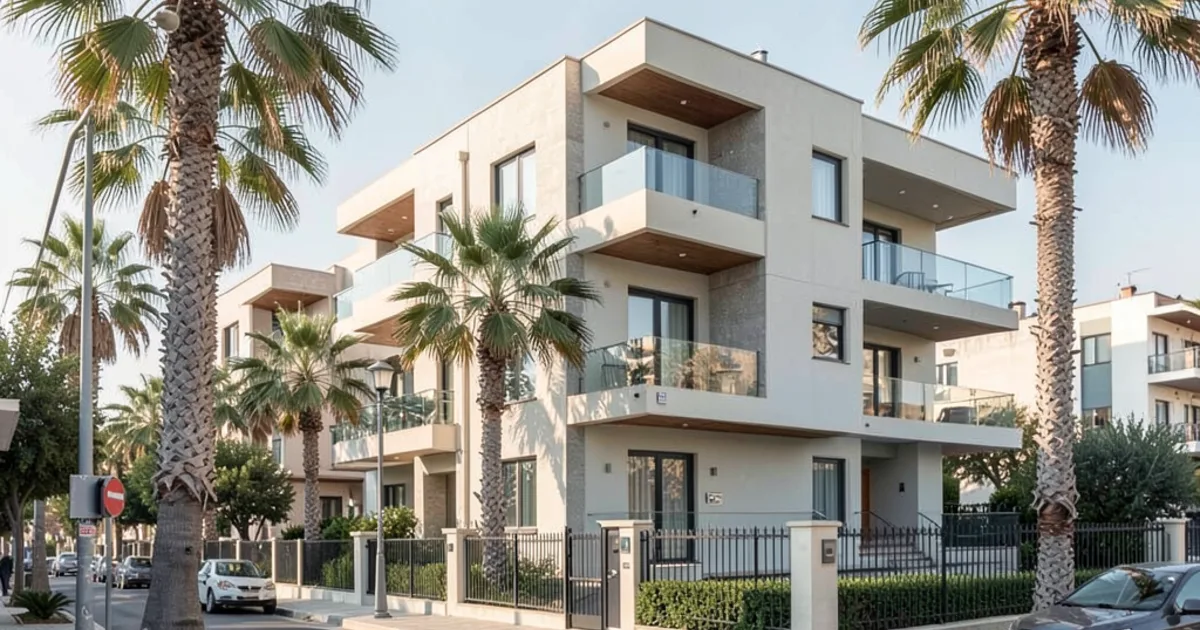
Northern Israel, with its breathtaking landscapes, rich history, and vibrant communities, offers a unique opportunity for those seeking to build their dream home from the ground up. The mystical city of Safed and its surrounding areas are particularly appealing, drawing individuals and families looking for a blend of tranquility, spirituality, and natural beauty. However, embarking on a self-build project in a foreign country, especially in a specific region like the Galilee, requires a thorough understanding of the local real estate laws, construction processes, and cultural nuances. This comprehensive guide aims to demystify the process of purchasing land for self-build purposes near Safed, providing expert advice for navigating the Israeli real estate landscape.
Quick answer: To buy land for future construction in Israel, you must identify plots zoned for residential building and verify their legal status through the local planning committee. The process involves conducting thorough due diligence on the land registry (Tabu), checking zoning regulations, and ensuring the plot has necessary access and utility connections before signing a contract.
- Understanding the Appeal of Northern Israel and Safed for Self-Build
- Initial Due Diligence and Defining Your Vision
- Engaging Your Professional Team: The Cornerstones of Success
- Identifying and Evaluating Land Plots: Beyond the View
- Navigating the Offer and Purchase Agreement
- Financial Considerations: Taxes, Mortgages, and Fees
- The Building Permit Process: A Marathon, Not a Sprint
- Construction Phase: Oversight and Quality Control
- Post-Construction: Settling In and Ongoing Responsibilities
Understanding the Appeal of Northern Israel and Safed for Self-Build
The Galilee region, and particularly the area surrounding Safed, presents a compelling proposition for self-build projects. Its diverse topography ranges from rolling hills and lush valleys to stunning views of the Sea of Galilee and the Golan Heights, offering a variety of settings for a custom home. The region is known for its slower pace of life, strong community ties, and access to nature, appealing to those seeking an escape from bustling city environments.
Safed itself, as one of Judaism's four holy cities, is steeped in ancient history and spiritual significance. Its artistic quarter, ancient synagogues, and charming cobblestone streets contribute to a unique atmosphere. For many, building a home here is not just about real estate, but about connecting with a profound cultural and spiritual heritage, often aligning with motivations for making Aliyah or establishing a deeper connection to the land.
Beyond the cultural and spiritual allure, the region offers practical advantages. While land prices can vary significantly, there are often opportunities for more spacious plots compared to central Israel, allowing for greater design flexibility for a self-built home. The growing infrastructure and developing communities around Safed are also attracting new residents, making it a dynamic area for long-term settlement and investment.
However, it's crucial to acknowledge that while appealing, the self-build process in Northern Israel involves specific challenges, including navigating local planning committees, understanding regional building codes, and coordinating with local contractors. A clear understanding of these aspects from the outset is essential for a successful project, ensuring that the dream of a custom home in the Galilee becomes a reality without undue complications.
Initial Due Diligence and Defining Your Vision
Before even beginning to look at plots, a thorough self-assessment of your needs, budget, and vision is paramount. Consider the size of home you envision, the number of bedrooms, specific architectural styles, and any unique features you desire. This initial clarity will guide your land search and help you filter out unsuitable options, saving considerable time and resources in the long run. Think about your lifestyle: do you need proximity to schools, synagogues, shops, or prefer a more secluded location?
Budgetary considerations must encompass more than just the land price. Factor in construction costs, architectural and engineering fees, permit fees, taxes (Mas Rekhisha/purchase tax), utility connection fees, and a contingency fund for unforeseen expenses. Israeli construction costs can be substantial, and it's prudent to obtain estimates from local architects and builders early in the process to establish a realistic overall project budget. Remember to account for currency fluctuations if your funds are held in a foreign currency.
Researching specific communities around Safed is another crucial step. Each community, whether a moshav, kibbutz, or a small town, has its own character, demographic makeup, and local regulations. Some communities might have specific architectural guidelines or community approval processes (Va'adat Kabala) that can impact your building plans or even your ability to purchase land there. Understanding these nuances before committing to a location is vital.
Finally, clarify your timeline. Self-build projects in Israel can take considerable time, from land acquisition and permitting to actual construction. Be prepared for a multi-year process, and ensure your personal circumstances align with this extended timeframe. Patience and flexibility are key attributes for anyone embarking on this journey in the Galilee.
Engaging Your Professional Team: The Cornerstones of Success
Building in a foreign country necessitates a strong local professional team. Your first and arguably most critical hire is an experienced Israeli real estate lawyer, ideally one with specific knowledge of land transactions and construction law in Northern Israel. They will be instrumental in reviewing contracts, conducting due diligence on the land, and ensuring all legal aspects are handled correctly. Their expertise in Israeli land law, including the intricacies of Tabu registration and planning regulations, is indispensable.
Next, secure a reputable and licensed architect (אדריכל - adrichal) who understands local building codes, climate considerations, and aesthetic preferences in the Galilee. An architect familiar with the Safed area can provide invaluable insights into design possibilities, material choices, and navigating the local planning committees (ועדות תכנון ובניה - Va'adot Tichnun U'Bniya). They will translate your vision into detailed plans suitable for permit applications.
A licensed surveyor (מודד - moded) is essential to accurately map the plot boundaries, verify its area, and identify any easements or topographical challenges. Their detailed report will be crucial for both your lawyer's due diligence and your architect's design work. This step cannot be overlooked as boundary disputes or inaccurate measurements can lead to significant problems down the line, affecting construction and even future saleability.
Finally, as you progress, you will need a licensed and reputable general contractor (קבלן - kablan) with experience in the region. Seek recommendations, check references, and ensure they are registered with the Ministry of Housing and Construction. A good contractor will manage the construction process, coordinate subcontractors, and ensure the project adheres to plans and regulations. Some individuals also opt for a project manager (מנהל פרויקט - menahel proyekt) to oversee the contractor and ensure quality and adherence to budget.
Identifying and Evaluating Land Plots: Beyond the View
When searching for land near Safed, utilize various channels. Real estate agents (מתווך - metavech) specializing in the Galilee region can be a good starting point, as they often have access to listings not widely advertised. Online property portals are also useful, but direct inquiries within communities, through local word-of-mouth, or even by identifying 'for sale' signs (למכירה - lemichira) on plots themselves, can unearth hidden gems. Be prepared to visit multiple sites to get a feel for the different areas.
Once a potential plot is identified, your lawyer and architect must conduct thorough due diligence. This includes reviewing the Tabu (טאבו) or Land Registry records to confirm ownership, identify any liens, mortgages (משכנתא - mashkanta), or restrictions on the property. Crucially, they will examine the plot's zoning designation (ייעוד קרקע - yi'ud karka) and the applicable building plans (תוכניות בניין עיר - T.B.A.) to understand what can legally be built on the land, including maximum height, coverage, and setbacks.
Beyond legalities, your architect will assess the plot's practical suitability. This involves evaluating topography (is it steep, flat, rocky?), soil conditions (which can impact foundation costs), access to utilities (water, electricity, sewage, internet), and road access. A plot with challenging topography or distant utility connections can significantly increase construction costs and complexity. Consider environmental factors such as sun exposure, wind patterns, and potential for natural hazards.
It's also wise to research the surrounding area for planned developments or infrastructure projects that might impact the plot's value or your quality of life. Understanding the long-term vision for the community and region can help you make a more informed decision. Don't be swayed solely by a beautiful view; ensure the underlying practicalities align with your building aspirations and budget.
Navigating the Offer and Purchase Agreement
Once you've identified a suitable plot, your lawyer will help you draft an offer. This offer typically outlines the proposed purchase price, payment terms, and any conditions precedent, such as obtaining building permits. It's common practice to start with a non-binding 'binding memorandum' (זיכרון דברים - Zichron Devarim) which outlines the basic terms, but it is crucial that this be drafted or reviewed by your lawyer to ensure it doesn't inadvertently become a fully binding contract before all due diligence is complete.
The negotiation process can be intricate. Your lawyer will act on your behalf to secure the best possible terms. Be prepared for some back-and-forth, as is common in Israeli real estate transactions. Once a mutual understanding is reached, a comprehensive purchase agreement (חוזה מכר - Chozeh Mecher) will be drafted. This is a legally binding document detailing every aspect of the transaction, including property description, purchase price, payment schedule, closing date, and responsibilities of both buyer and seller.
Crucial elements within the purchase agreement include clauses addressing any existing mortgages on the property, the seller's obligation to clear all debts and liens, and provisions for transferring ownership free and clear. It should also specify the exact date of possession, the condition of the property at handover, and any penalties for breach of contract. Your lawyer will ensure that all your rights are protected and that the agreement reflects your understanding.
Upon signing the purchase agreement, a down payment (usually a substantial percentage of the purchase price) is typically made. It is imperative that this payment is held in an escrow account managed by your lawyer until certain conditions are met, such as the registration of a cautionary note (הערת אזהרה - He'arat Azhara) in the Tabu, which prevents the seller from selling the property to another party. This safeguards your investment during the interim period before full ownership transfer.
Financial Considerations: Taxes, Mortgages, and Fees
Purchasing land in Israel involves several significant financial obligations beyond the purchase price. The primary tax for buyers is Mas Rekhisha (מס רכישה), or purchase tax. This is a progressive tax calculated on the value of the land, with rates varying based on whether you are an Israeli resident, a foreign resident, or if this is your only property. Your lawyer will calculate the precise amount, and it must be paid within a relatively short period after signing the purchase agreement.
For those requiring financing, obtaining a Mashkanta (משכנתא), or mortgage, from an Israeli bank is a common route. Israeli mortgage products can differ significantly from those in other countries, with various interest rate structures (fixed, variable, prime-linked) and repayment terms. It's advisable to consult with a mortgage broker (יועץ משכנתאות - yo'etz mashkanta'ot) who specializes in Israeli mortgages to find the best terms, especially if you are a new oleh or a foreign resident, as eligibility criteria can vary.
Beyond purchase tax and potential mortgage payments, factor in various fees. These include legal fees for your lawyer, agent commissions (typically a percentage of the purchase price, paid by both buyer and seller unless otherwise agreed), surveyor fees, and registration fees at the Tabu. Additionally, you will be responsible for Arnona (ארנונה), a municipal property tax, from the date of possession, even on undeveloped land. These cumulative costs can add a significant percentage to the overall land acquisition expense.
When planning your finances, ensure you have a clear understanding of the payment schedule outlined in the purchase agreement. Payments are often tied to specific milestones, such as the registration of the cautionary note or the transfer of ownership. Failure to meet these deadlines can result in penalties. Always maintain a buffer in your budget to account for unexpected costs or currency fluctuations, particularly if your funds are transferring from overseas.
The Building Permit Process: A Marathon, Not a Sprint
Once the land is acquired, the focus shifts to obtaining a building permit (היתר בניה - heter bniya), a notoriously complex and time-consuming process in Israel. Your architect will be the central figure here, preparing detailed architectural plans, structural plans, and various other submissions required by the local planning committee (ועדת תכנון ובניה). These plans must adhere strictly to the local zoning regulations (T.B.A.) applicable to your specific plot in the Safed area.
The application will require numerous approvals from various government agencies and utility providers, including the fire department, electricity company (חברת חשמל - Hevrat Hashmal), water and sewage authority (תאגיד מים וביוב - Ta'agid Mayim V'Biuv), and potentially the Ministry of Environmental Protection. Each agency reviews the plans for compliance with their specific regulations, and any discrepancies or missing information will lead to delays and requests for revisions. This iterative process demands patience and meticulous attention to detail.
Public notification is also a component of the permit process. Depending on the nature of your project, neighbors or the public may have an opportunity to object to your building plans. While less common for single-family homes on private plots, it's a possibility to be aware of. Your architect and lawyer will guide you through this, addressing any valid objections and ensuring your plans meet all regulatory requirements.
The duration for obtaining a building permit can vary significantly, ranging from several months to over a year, depending on the complexity of the project, the efficiency of the local planning committee, and the number of revisions required. It is crucial to factor this extended timeline into your overall project schedule and not to commence any construction work before the official permit is issued and displayed on site, as doing so can result in hefty fines and demolition orders.
Construction Phase: Oversight and Quality Control
With the building permit in hand, construction can finally begin. This phase requires constant oversight and effective communication between you, your architect, and your general contractor. Regular site visits are essential to monitor progress, ensure adherence to approved plans, and address any issues that arise. It's advisable to have your architect or a designated project manager conduct periodic inspections to ensure quality control and compliance with Israeli building standards (תקנים ישראליים - Takanim Yisraeli'im).
Managing the budget during construction is another critical aspect. Unexpected issues, material price fluctuations, or design changes can impact costs. Maintain open communication with your contractor regarding expenses and approve any significant changes in writing. It's common practice to make payments to the contractor in installments tied to specific milestones of completion, rather than upfront, to incentivize progress and quality.
Throughout the construction, various inspections will be conducted by municipal authorities to ensure compliance with the building permit and safety regulations. These inspections cover aspects like the foundation, structural framework, electrical systems, and plumbing. Passing these inspections is mandatory for the project to proceed and ultimately to receive the Certificate of Occupancy (טופס 4 - Tofes Arba).
Upon completion of construction, a final inspection is conducted to verify that the home has been built according to the approved plans and meets all safety and regulatory standards. Only after this final approval is granted can you receive the Tofes Arba, which officially permits you to connect to all utilities and legally occupy the property. This final step marks the culmination of your self-build journey.
Post-Construction: Settling In and Ongoing Responsibilities
After successfully obtaining the Certificate of Occupancy (Tofes Arba), you can officially move into your new home near Safed. At this stage, you will need to finalize utility connections, including electricity, water, gas (if applicable), and internet. Your contractor or project manager can assist with these final arrangements. Ensure all meters are registered in your name and that you understand the billing cycles and payment methods for these services.
Ongoing responsibilities include paying Arnona (municipal property tax) and Va'ad Bayit (ועד בית - homeowners association fees, if applicable in your community) regularly. These taxes and fees contribute to local services, infrastructure maintenance, and community amenities. Understanding the local municipal bylaws and community regulations is important for integrating smoothly into your new neighborhood.
Consider establishing relationships with local service providers for home maintenance, gardening, and any other ongoing needs. Building a network within your community can be invaluable for practical assistance and social integration. For new olim, utilizing resources like the local ulpan (אולפן - Hebrew language school) can significantly aid in language acquisition and cultural assimilation, enhancing your experience in the Galilee.
Finally, ensure all necessary documentation related to your home, including the building permit, architectural plans, and utility connection agreements, are safely stored. These documents are crucial for any future modifications, sales, or insurance claims. Enjoying your custom-built home in Northern Israel is the reward for navigating this complex yet ultimately fulfilling process.
FAQ
Can a foreign resident purchase land for self-build near Safed?
Yes, foreign residents are generally permitted to purchase land in Israel, including for self-build purposes. However, they may be subject to different tax rates (Mas Rekhisha) and potentially stricter mortgage criteria compared to Israeli citizens or new olim. Legal counsel is essential.
What is the average timeline for an entire self-build project near Safed?
From land acquisition to receiving the Tofes Arba (Certificate of Occupancy), a self-build project in Northern Israel can realistically take anywhere from two to four years, sometimes longer. The building permit process often accounts for a significant portion of this timeframe.
Are there specific architectural styles or restrictions in the Safed area?
While there's often flexibility, some communities or specific zones near Safed may have architectural guidelines or restrictions regarding building materials, heights, or external aesthetics to maintain a certain character. Your architect will research and advise on these local regulations.
What is a 'binding memorandum' (Zichron Devarim) and should I sign one?
A Zichron Devarim is a preliminary agreement. While it can outline initial terms, it can sometimes be deemed a binding contract by Israeli courts. It is crucial to have your lawyer review or draft any Zichron Devarim before signing to protect your interests and avoid unintended legal commitments.
How do I find a reliable contractor in the Galilee region?
Seek recommendations from your architect, lawyer, or local residents. Verify that the contractor is licensed with the Ministry of Housing and Construction, check their references, and visit previous projects if possible. Always ensure a detailed contract outlining scope, timeline, and payment schedule.
Get your personalised shortlist
Listings and up-to-date info, straight to your inbox, free, no obligation.
Get my shortlist →