What is the estimated 'Arnona' (municipal tax) for a 3-bedroom apartment in a new development in Hadera for a foreign owner?
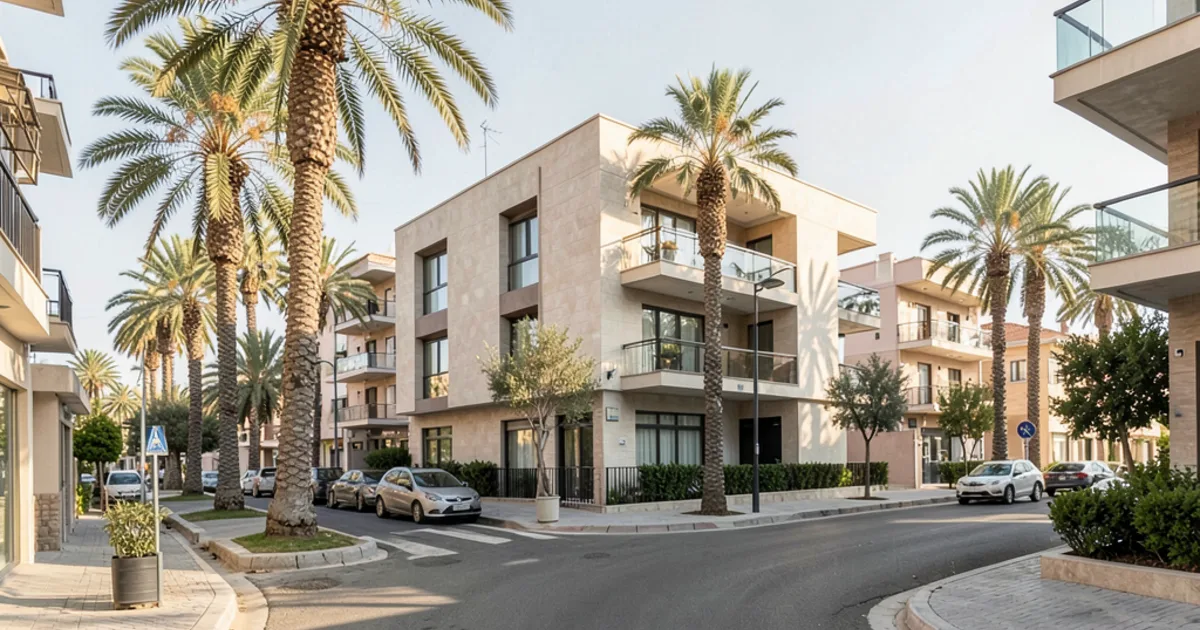
Purchasing real estate in Israel is an exciting milestone, whether you are making Aliyah or expanding an international investment portfolio. However, once the excitement of the purchase tax (Mas Rekhisha) and the mortgage (Mashkanta) settles, a recurring operational cost remains: the Arnona. For those looking at 3-bedroom apartments in the burgeoning new developments of Hadera, understanding this municipal tax is vital for accurate budgeting. This guide provides a deep dive into how Arnona is calculated, how new construction impacts your liability, and what foreign owners need to know to manage these obligations effectively.
- Understanding the Concept of Arnona in Israel
- The Calculation Formula: How Hadera Determines Your Tax
- Why New Developments in Hadera Carry Unique Tax Profiles
- The 3-Bedroom Factor: Estimating Space and Scale
- Foreign Ownership: Does Your Status Change the Tax Rate?
- Distinguishing Arnona from Va’ad Bayit (Building Committee Fees)
- The Legal Transition: From Tabu Registration to Municipal Billing
- Financial Planning: Integrating Arnona into Your Investment Model
- Managing Payments from Abroad: Practical Steps for Foreigners
- Common Mistakes Foreign Investors Make with Municipal Taxes
Understanding the Concept of Arnona in Israel
Arnona is the mandatory municipal property tax levied by local authorities across Israel to fund essential public services. Unlike a one-time transaction tax like Mas Rekhisha, Arnona is a recurring monthly or annual expense that remains tied to the property itself. It covers a wide array of community needs, including street lighting, waste management, local road maintenance, and various municipal administrative services. For any property owner in Hadera, this is a non-negotiable part of the cost of ownership.
It is important to distinguish Arnona from other fees you might encounter during your real estate journey. While Mas Shevah (capital gains tax) is paid when you sell a property, and Mas Rekhisha is paid at the moment of purchase, Arnona is an ongoing operational cost. It is not a tax on your income, but rather a tax on the use and enjoyment of the real estate assets within a specific municipality. Therefore, the rate you pay is determined by the city's budget and the specific zoning of your property.
For foreign owners, the concept of Arnona can sometimes be confusing if they are coming from jurisdictions with different property tax models. In many countries, property tax is based on a percentage of the market value, whereas in Israel, it is heavily driven by the physical characteristics of the property. This means that even if the market value of your 3-bedroom apartment in Hadera fluctuates, your Arnona will remain relatively stable, tied to the square meters and the usage type of the unit.
- Covers waste collection and sanitation.
- Funds local infrastructure and street lighting.
- Supports municipal administrative services.
- Contributes to local community maintenance.
The Calculation Formula: How Hadera Determines Your Tax
The calculation of Arnona is not a mystery, but it does rely on several specific variables that must be carefully verified. The primary formula used by the Hadera municipality involves multiplying the total area of the property by a specific rate set for that zone. This rate is determined by the municipality based on the type of usage, such as residential, commercial, or industrial. Since a 3-bedroom apartment in a new development is almost certainly residential, you will fall into the lowest rate category compared to businesses.
The 'area' used in this calculation is often a point of contention and requires careful reading of your building permits and Tabu (Land Registry) documents. Municipalities often calculate Arnona based on the 'built area,' which may include more than just the interior living space. This can include balconies, storage rooms, and sometimes even certain types of parking spaces. In new developments, where every square meter is optimized, understanding exactly what is being taxed is crucial for your long-term financial planning.
In Hadera, as in many growing Israeli cities, the municipal rates are subject to periodic adjustments approved by the local council. While these changes are generally incremental, they can impact your annual budget over time. When evaluating a new development, it is wise to look at the historical trends of municipal rate increases in the Hadera region. This allows you to move beyond a simple 'snapshot' estimate and create a more realistic multi-year projection of your holding costs.
- Property usage type (Residential vs. Commercial).
- Total square meters (including balconies/storage).
- Municipal rate per square meter.
- Zoning classifications within Hadera.
Why New Developments in Hadera Carry Unique Tax Profiles
Investing in a new development offers many advantages, such as modern amenities and contemporary construction standards, but it also introduces specific tax nuances. In many cases, new developments are built in areas that have undergone significant rezoning. When a neighborhood is newly established, the municipality may apply different rate structures during the initial phases of the development's life. This can sometimes lead to higher initial rates as the city seeks to recoup the costs of the new infrastructure provided to the area.
Furthermore, the transition from a construction site to a residential neighborhood involves a formal handover process in the eyes of the municipality. Once the building receives its final occupancy permit (Tofes Ishur Ishur), the Arnona billing begins in earnest. For a foreign owner, there can be a lag between moving into the property and receiving the first official municipal bill. This period requires careful coordination with the developer and the local Hadera authorities to ensure no arrears accumulate during the transition.
Newer developments also tend to feature more complex architectural layouts, such as large communal gardens, underground parking, and sophisticated security systems. While these features increase the value of your 3-bedroom apartment, they also contribute to the overall complexity of the municipal assessment. You should ensure that the developer has clearly outlined how the communal areas will be factored into the individual Arnona assessments for each unit in the building.
The 3-Bedroom Factor: Estimating Space and Scale
When we discuss a '3-bedroom apartment,' we are talking about a specific category of residential real estate that typically occupies a middle-to-upper tier of the market. In a new development in Hadera, a 3-bedroom unit will likely range in size from approximately 90 to 130 square meters. Because Arnona is calculated per square meter, this size range provides a predictable baseline for your tax estimates. However, the 'perceived' size and the 'taxable' size are often two different things.
A significant factor in your Arnona bill will be the inclusion of non-living spaces. In modern Israeli construction, it is very common for 3-bedroom apartments to include a large balcony, a dedicated storage room (Machsan), or a parking spot. In many municipalities, these spaces are taxed at a different rate than the main living area. For example, a balcony might be taxed at a percentage of the residential rate, whereas a storage room might be taxed at a higher rate if it is categorized differently by the Hadera municipality.
To get a truly accurate estimate, you must look beyond the marketing brochure's 'living area' figure. You should request the technical floor plans that show the exact measurements used for municipal purposes. For an investor, failing to account for these 'extra' taxable meters can lead to a surprising discrepancy between your projected costs and your actual monthly outflows. Always calculate your budget based on the total taxable footprint, not just the interior room dimensions.
- Interior living space (primary rooms).
- Balcony and terrace square footage.
- Storage rooms (Machsan) and utility areas.
- Allocated parking spaces.
Foreign Ownership: Does Your Status Change the Tax Rate?
A common question among international investors is whether their status as a 'foreign owner' triggers different tax rates or penalties. The short answer is no; in Israel, Arnona is a property-centric tax rather than a person-centric tax. The municipality is interested in the property's location, size, and use, not the nationality or residency status of the person who owns the deed. Whether you are a local resident with a Teudat Zehut or a foreign investor managing property from abroad, the base rate for your 3-bedroom apartment in Hadera remains the same.
However, while the *rate* does not change, the *administrative burden* certainly does. Foreign owners often face challenges in setting up seamless payment systems for municipal taxes. Without a local Israeli bank account or a resident ID, you may find it more difficult to set up automatic direct debits (Hora'at Keva). This can lead to missed payments, which in turn can result in late fees or even legal complications with the municipality. It is essential to establish a reliable method for payment before you finalize your purchase.
Furthermore, if you are managing the property as a rental investment, you must ensure that the Arnona is being paid promptly to avoid any liens on the property. For those making Aliyah, the process is much simpler as you will eventually have a local ID and banking infrastructure. For those staying abroad, we highly recommend appointing a local representative, such as an Israeli lawyer or a professional property manager, to oversee these municipal obligations and ensure that the 'binding memorandum' (Heskem Chayav) and subsequent ownership documents are correctly reflected in the municipal records.
Distinguishing Arnona from Va’ad Bayit (Building Committee Fees)
One of the most frequent errors made by new property owners in Israel is conflating Arnona with Va'ad Bayit. While both are recurring costs associated with living in an apartment, they are entirely different entities. Arnona is a tax paid to the city of Hadera for public services. Va'ad Bayit, on the other hand, is a fee paid to the building's residents' committee to cover the costs of maintaining the specific building and its immediate surroundings.
The Va'ad Bayit covers items that the municipality does not, such as elevator maintenance, cleaning of the building's hallways, lighting in common areas, and the upkeep of the swimming pool or gym if the new development includes them. In a modern 3-bedroom apartment development, the Va'ad Bayit can often be quite significant due to the high-end amenities provided. It is a private contractual obligation among the owners, whereas Arnona is a statutory obligation to the government.
When creating your monthly budget for an investment in Hadera, you must include both of these line items. A common mistake is to calculate the Arnona and assume that 'all the taxes are covered.' This can lead to a significant cash flow shortfall when the first Va'ad Bayit bill arrives. Always ask the developer for an estimate of the expected monthly Va'ad Bayit for the building, as this is often separate from any municipal estimates you might find online.
- Arnona: Paid to the Municipality (City).
- Va'ad Bayit: Paid to the Building Committee (Private).
- Arnona covers: Trash, street lights, roads.
- Va'ad Bayit covers: Elevators, cleaning, common area amenities.
The Legal Transition: From Tabu Registration to Municipal Billing
The process of becoming a responsible taxpayer in Hadera begins long before you receive your first bill. It starts with the legal registration of the property. When you purchase a new development, the property may not yet be fully registered in the Tabu (the Israeli Land Registry). Instead, you might be buying based on a contract with the developer. It is vital to understand when the legal responsibility for Arnona shifts from the developer to the buyer.
Typically, the obligation to pay Arnona shifts to the new owner once the building is occupied or once the keys are handed over. However, there can be gray areas in new construction projects. You should ensure that your lawyer reviews the sales contract to confirm exactly when your liability for municipal taxes commences. This prevents you from being held responsible for taxes incurred during the construction phase, which should be the developer's responsibility.
Once the property is registered in your name in the Tabu, you must ensure that the Hadera municipality updates its records. If there is a mismatch between the Land Registry and the municipal database, you may face billing errors or difficulties in proving your ownership for other administrative purposes. For foreign owners, this step is even more critical, as it ensures that the municipal billing is correctly linked to your legal representation or your designated local contact.
Financial Planning: Integrating Arnona into Your Investment Model
For those looking at Hadera as an investment opportunity, Arnona must be treated as a fixed operational expense in your ROI (Return on Investment) calculations. When you are projecting rental yields for a 3-bedroom apartment, you cannot simply subtract the mortgage (Mashkanta) from the rent. You must also subtract the Arnona, the Va'ad Bayit, and any maintenance or management fees.
Because Arnona is a recurring cost, it acts as a 'drag' on your net income. In a scenario where your apartment is vacant for a few months, you are still responsible for paying the Arnona. This is a critical consideration for foreign owners who may not be physically present to monitor the property. You should always maintain a cash reserve to cover these municipal obligations during periods of vacancy to ensure you remain in good standing with the city.
Furthermore, consider the impact of inflation and municipal budget adjustments. While not extreme, the gradual increase in municipal rates means that your investment model should include a small annual buffer for rising costs. A professional real estate adviser would suggest running a 'stress test' on your investment, calculating how a moderate increase in Arnona or a change in the municipal rate would affect your overall profitability.
Managing Payments from Abroad: Practical Steps for Foreigners
Managing Israeli municipal taxes from another country requires proactive planning. The most efficient way to handle this is to establish a 'standing order' or an automatic direct debit through an Israeli bank account. If you have already gone through the process of opening a bank account for your Mas Rekhisha or Mashkanta, you should leverage that same infrastructure for your Arnona. This minimizes the risk of human error and ensures that payments are always on time.
If you do not have a local bank account, you may need to rely on manual international transfers. This can be cumbersome, expensive due to exchange rates, and prone to delays. In such cases, we strongly recommend hiring a local property management company or a legal representative in Israel. They can act as your local 'agent' for all municipal matters, paying the bills on your behalf and providing you with the necessary receipts for your accounting purposes.
Always keep a digital folder containing all your municipal receipts and correspondence from the Hadera municipality. In the event of a dispute or a need to prove residency/ownership for other reasons (such as applying for certain tax exemptions), having a clear paper trail is indispensable. For the foreign owner, digital organization is the best defense against the complexities of managing property from a distance.
- Set up 'Hora'at Keva' (Direct Debit) if possible.
- Use a local representative for manual payments.
- Maintain a digital archive of all municipal receipts.
- Account for currency exchange fluctuations.
Common Mistakes Foreign Investors Make with Municipal Taxes
The most common mistake is the assumption that 'tax' only refers to the purchase tax (Mas Rekhisha). Many investors arrive in Israel with a clear understanding of the upfront costs but fail to account for the ongoing municipal and building committee fees. This lack of foresight can lead to unexpected liquidity issues, especially in the first year of ownership when many different fees converge.
Another frequent error is failing to verify the 'usage type' of the property. While a 3-bedroom apartment is residential, some developments have mixed-use zoning where certain areas might be classified differently. If the municipality incorrectly classifies a portion of your property, you could end up paying a commercial rate for a residential unit. It is your responsibility to ensure the municipal assessment matches the intended use of the property.
Lastly, foreign owners often neglect to communicate with the municipality or their local representatives during the 'handover' phase of a new development. This can lead to a situation where the developer's tax account is closed, but the new owner's account is not yet active, creating a 'tax vacuum' where arrears begin to pile up. Proactive communication with the Hadera municipality and your legal counsel during the transition is the best way to avoid these pitfalls.
FAQ
Does being a foreign owner increase my Arnona rate in Hadera?
No, the Arnona rate is determined by the property's location, size, and usage type, not the owner's nationality. Whether you are a resident or an international investor, the municipal tax for a 3-bedroom apartment remains the same based on the property's characteristics.
Get your personalised shortlist
Listings and up-to-date info, straight to your inbox, free, no obligation.
Get my shortlist →