What are the typical rental yields for short-term rentals in Florentin, Tel Aviv, for foreign investors?
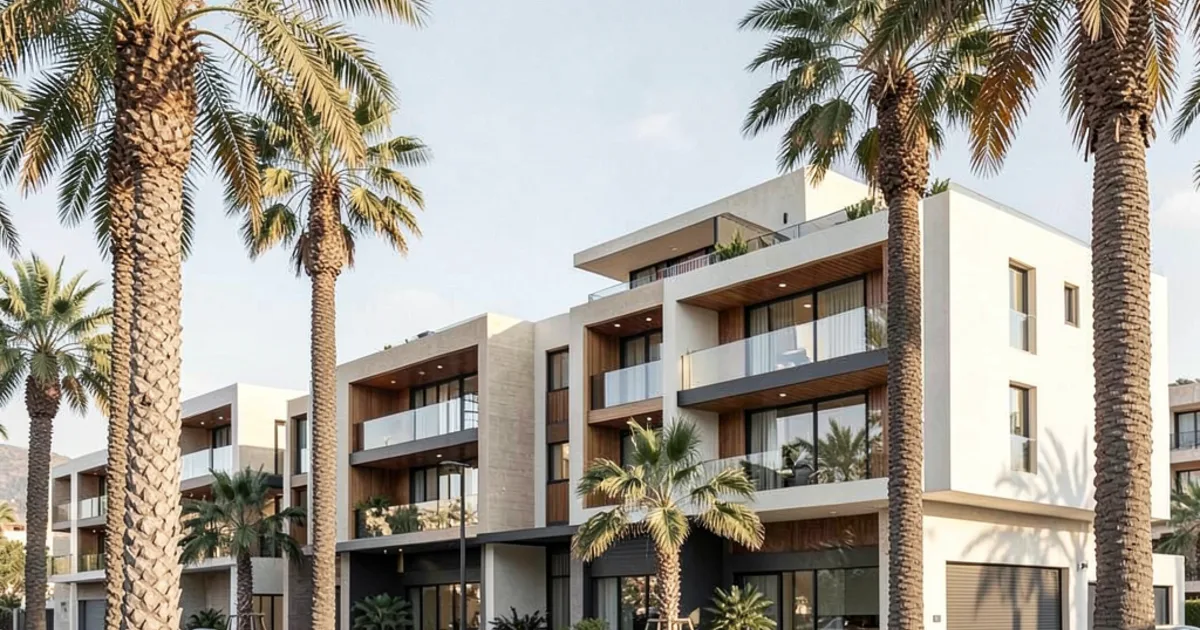
Florentin, Tel Aviv, a district synonymous with bohemian charm and burgeoning artistic energy, has increasingly captivated the attention of foreign real estate investors. Its unique blend of historic architecture, street art, and a pulsating nightlife makes it a magnet for tourists and short-term visitors. For those looking to capitalize on this dynamic appeal, understanding the typical rental yields for short-term accommodations in Florentin is paramount, offering a strategic entry point into the Israeli property market.
- Why Florentin: A Prime Location for Short-Term Rentals
- Understanding Short-Term Rental Yields: A Conceptual Framework
- Factors Influencing Short-Term Rental Yields in Florentin
- Navigating the Israeli Property Acquisition Process for Foreigners
- Operational Costs and Management for Short-Term Rentals
- Financing Options and Mortgage Considerations (Mashkanta)
- Tax Implications for Foreign Investors in Israeli Real Estate
- Legal and Regulatory Landscape for Short-Term Rentals
- Maximizing Occupancy and Nightly Rates in Florentin
- The Aliyah Connection: Benefits for New Immigrants
- Long-Term Outlook for Florentin Real Estate
Why Florentin: A Prime Location for Short-Term Rentals
Florentin's appeal as a short-term rental hub stems from its distinctive character and strategic location. Nestled in the southern part of Tel Aviv, it offers a more authentic and less polished experience than some of the city's glitzier neighborhoods, attracting a diverse demographic of travelers seeking culture, nightlife, and a local vibe. This unique selling proposition translates directly into consistent demand for short-term lodging.
The neighborhood's proximity to major attractions like Jaffa Port, Rothschild Boulevard, and the beach, all easily accessible by foot or public transport, further enhances its desirability. Guests appreciate the convenience of being close to the action while experiencing a genuine Tel Avivian atmosphere. This combination of accessibility and cultural immersion makes Florentin a top choice for many international visitors.
Furthermore, Florentin has undergone significant urban renewal in recent decades, transforming from a working-class district into a trendy, sought-after locale. This revitalization has brought new businesses, cafes, and art galleries, all contributing to a vibrant ecosystem that supports and encourages short-term tourism. The ongoing development ensures that the neighborhood's allure for visitors is likely to persist and even grow.
Understanding Short-Term Rental Yields: A Conceptual Framework
Rental yield, in its simplest form, measures the income generated by a property relative to its cost. For short-term rentals, this calculation becomes more nuanced due to fluctuating occupancy rates, dynamic pricing, and higher operational overheads compared to long-term leases. Foreign investors must consider both gross and net yields to gain a comprehensive picture of potential returns.
Gross rental yield is calculated by dividing the annual rental income by the property's purchase price. While a useful initial indicator, it doesn't account for expenses. Net rental yield, on the other hand, provides a more accurate representation by subtracting all operating costs, such as property management fees, cleaning, utilities, insurance, and maintenance, from the gross income before dividing by the property's cost.
The short-term rental market's inherent volatility means that yields can vary significantly throughout the year. Peak seasons, such as holidays and major events, often command premium rates, while off-peak periods may see lower occupancy and pricing. Successful investors meticulously track these fluctuations and adjust their strategies accordingly to maximize their average annual yield, requiring a proactive management approach.
Factors Influencing Short-Term Rental Yields in Florentin
Several critical factors directly impact the short-term rental yields in Florentin. The property's size and configuration play a significant role, with studios and one-bedroom apartments often appealing to solo travelers and couples, while larger units might attract families or groups. The interior design and amenities offered, such as modern appliances, air conditioning, and reliable Wi-Fi, are also crucial in attracting bookings and justifying premium rates.
The specific micro-location within Florentin can also influence yields. Properties closer to popular streets, art galleries, or public transport hubs may command higher occupancy and nightly rates. The building's condition, whether a renovated historic building or a newer construction, can also affect desirability and pricing, as guests often seek a certain aesthetic and level of comfort.
Beyond the property itself, external market dynamics, such as the overall tourist influx to Tel Aviv, major international events hosted in the city, and the competitive landscape of other short-term rentals in Florentin, all contribute to the potential yield. A thorough market analysis, including competitor pricing and occupancy data, is essential for setting optimal rates and forecasting income accurately.
Navigating the Israeli Property Acquisition Process for Foreigners
Foreign investors looking to purchase property in Israel, including in Florentin, must navigate a specific legal and administrative process. The initial step typically involves finding a suitable property and agreeing on a price, often leading to a binding memorandum of understanding. This is usually followed by a formal purchase agreement drafted by legal counsel, which stipulates all terms and conditions.
A crucial aspect of property acquisition in Israel is the registration of ownership, which occurs at the Tabu land registry (Land Registration Office). This process ensures legal title transfer and protects the buyer's rights. Foreign buyers are strongly advised to engage an experienced Israeli real estate lawyer to guide them through every step, ensuring compliance with local laws and regulations.
Foreign investors also need to be aware of various taxes associated with property acquisition. Mas Rekhisha, or purchase tax, is levied on the buyer and varies based on the property's value and whether the buyer owns other properties in Israel. While there are sometimes exemptions or reduced rates for new immigrants (Olim Hadashim), foreign investors generally face standard rates. Understanding these financial obligations upfront is essential for accurate investment planning.
Operational Costs and Management for Short-Term Rentals
Operating a short-term rental in Florentin entails a range of ongoing costs that directly impact net yields. Property management fees are a significant expense, especially for foreign investors who cannot be physically present. These fees typically cover guest communication, check-ins/check-outs, cleaning, maintenance coordination, and marketing on various booking platforms. Choosing a reputable and efficient management company is crucial for success.
Utilities, including electricity, water, gas, and internet, are variable but consistent expenses. It's important to budget for these based on typical usage patterns of short-term guests, which can sometimes be higher than long-term tenants. Property insurance, covering everything from liability to property damage, is another non-negotiable cost that protects the investment.
Regular maintenance and repairs are also part of the operational landscape. From minor fixes to periodic renovations to keep the property attractive and competitive, these costs need to be factored into the financial projections. Additionally, Arnona, the municipal property tax, is a recurring expense paid to the local municipality, its amount depending on the property's size and location.
Financing Options and Mortgage Considerations (Mashkanta)
Foreign investors seeking to finance their property purchase in Florentin may explore mortgage options in Israel, known as Mashkanta. While obtaining a mortgage as a non-resident can be more complex than for Israeli citizens, it is certainly possible. Israeli banks typically require a higher down payment from foreign investors, often ranging from a significant percentage of the property's value.
The application process involves providing extensive financial documentation, including proof of income, assets, and credit history from the investor's home country. Banks will assess the investor's financial stability and repayment capacity. Interest rates and loan terms can vary, and it is advisable to consult with multiple banks and a mortgage broker specializing in foreign investors to find the most favorable conditions.
It's important to understand that the Israeli mortgage market operates under specific regulations, and foreign investors should seek expert advice. Engaging a financial advisor who understands both international finance and the Israeli banking system can streamline the process and help secure competitive financing. This can significantly impact the overall profitability and leverage of the investment.
Tax Implications for Foreign Investors in Israeli Real Estate
Foreign investors in Israeli real estate must be aware of various tax implications beyond the initial purchase tax. Rental income generated from the property is subject to Israeli income tax. While there are different taxation routes, including a flat tax rate on rental income for individuals or taxation according to regular income tax brackets, it's crucial to understand which applies to your specific situation and to ensure compliance.
Should the property be sold in the future, capital gains tax, known as Mas Shevah, would apply to the profit made from the sale. The calculation of this tax can be complex, taking into account the original purchase price, allowable expenses, and inflation adjustments. Foreign investors should seek expert tax advice to understand their potential liability and explore any available exemptions or deductions.
Furthermore, foreign investors also need to consider their tax obligations in their home country. Many countries have tax treaties with Israel to prevent double taxation, but it is imperative to understand how these treaties apply to rental income and capital gains. Consulting with a tax professional who specializes in international taxation is highly recommended to ensure full compliance in both jurisdictions.
Legal and Regulatory Landscape for Short-Term Rentals
The legal and regulatory environment for short-term rentals in Tel Aviv, including Florentin, is dynamic and has seen changes over time. While short-term rentals are generally permitted, there can be municipal bylaws or building regulations that might impose restrictions. It's crucial to verify the specific rules applicable to a chosen property before committing to a purchase.
Some buildings, particularly those with a residential focus, might have internal building mandates or 'Vaad Bayit' (homeowners association) rules that restrict or prohibit short-term leasing. Investors should ensure their legal counsel thoroughly investigates these aspects during the due diligence phase. Operating without proper understanding or adherence to these rules can lead to fines or legal disputes.
Additionally, ongoing discussions and potential future regulations regarding short-term rentals in major Israeli cities mean that investors should stay informed about policy changes. While the market has largely been favorable, a proactive approach to understanding and adapting to potential regulatory shifts is vital for the long-term sustainability and profitability of the investment. This includes considerations for licensing or registration requirements that might emerge.
Maximizing Occupancy and Nightly Rates in Florentin
To achieve attractive rental yields, maximizing both occupancy rates and nightly pricing is essential. This often involves a strategic approach to marketing and guest experience. High-quality professional photography, compelling property descriptions, and listing on multiple prominent short-term rental platforms are fundamental to attracting a broad audience.
Dynamic pricing strategies, which adjust rates based on demand, seasonality, local events, and competitor pricing, can significantly boost income. Utilizing smart pricing tools or working with a property manager who employs such strategies can optimize revenue. Offering flexible booking options and responding promptly to inquiries also contributes to higher conversion rates.
Providing an exceptional guest experience is paramount for positive reviews and repeat bookings, which directly impact occupancy. This includes maintaining a clean and well-equipped property, offering local recommendations, and providing responsive support during a guest's stay. A strong reputation built on positive feedback is an invaluable asset in the competitive short-term rental market.
The Aliyah Connection: Benefits for New Immigrants
For foreign investors considering making Aliyah (immigrating to Israel under the Law of Return), there are potential benefits that can impact real estate investment. New immigrants often receive certain tax exemptions or reductions, including for Mas Rekhisha (purchase tax) on their first property purchase within a specific timeframe. These benefits can significantly reduce the initial acquisition costs.
Beyond tax advantages, Olim Hadashim (new immigrants) can also access more favorable mortgage terms from Israeli banks, potentially including lower down payment requirements or subsidized interest rates. These financial incentives are designed to encourage immigration and help new citizens establish themselves in Israel, making property ownership more accessible.
Furthermore, the process of integration into Israeli society, including learning Hebrew through Ulpan (intensive Hebrew language program) and becoming familiar with local customs, can be facilitated by owning property and actively engaging with the community. For those contemplating a long-term move, combining investment with Aliyah can offer a synergistic path to both financial and personal settlement in Israel.
Long-Term Outlook for Florentin Real Estate
The long-term outlook for real estate in Florentin, and Tel Aviv generally, remains robust, driven by strong demand, limited supply, and the city's status as a global tech and cultural hub. Continued urban development, infrastructure improvements, and the ongoing appeal of Tel Aviv as a tourist destination suggest sustained property value appreciation. This capital appreciation can significantly enhance the overall return on investment alongside rental yields.
Florentin's unique character as a vibrant, artistic, and increasingly gentrified neighborhood positions it well for continued growth. Its blend of historic charm and modern amenities appeals to both residents and visitors, ensuring enduring demand for both short-term and long-term rentals. The neighborhood's evolution from an industrial zone to a cultural hotspot is a testament to its dynamic nature and investment potential.
While market fluctuations are always a possibility, the underlying fundamentals of Tel Aviv's real estate market, coupled with Florentin's specific strengths, offer a compelling case for long-term investment. Foreign investors who adopt a strategic approach, focusing on well-managed properties and understanding the local nuances, are likely to find Florentin a rewarding location for their real estate portfolio.
FAQ
Is it difficult for a foreigner to buy property in Florentin, Tel Aviv?
While requiring specific legal and financial navigation, it is not inherently difficult. Engaging experienced Israeli real estate lawyers and possibly a mortgage broker is crucial to streamline the process and ensure compliance with local regulations.
What are the main costs associated with owning a short-term rental in Florentin?
Key costs include property management fees, utilities, property insurance, maintenance, and municipal property tax (Arnona). Additionally, initial purchase tax (Mas Rekhisha) and potential future capital gains tax (Mas Shevah) are significant considerations.
How can I maximize my short-term rental income in Florentin?
Maximizing income involves strategic pricing, professional marketing with high-quality visuals, listing on multiple platforms, and providing an excellent guest experience to secure positive reviews and repeat bookings. Dynamic pricing strategies are also highly effective.
Are there any specific regulations for short-term rentals in Tel Aviv that I should be aware of?
While generally permitted, local municipal bylaws or building-specific regulations (Vaad Bayit rules) might impose restrictions. It's essential to conduct thorough due diligence with legal counsel to verify all applicable rules for your chosen property.
Do I need to pay taxes on my rental income in Israel as a foreign investor?
Yes, rental income generated from property in Israel is subject to Israeli income tax. Foreign investors should seek expert tax advice to understand their specific obligations, potential tax rates, and how international tax treaties might apply.
Get your personalised shortlist
Listings and up-to-date info, straight to your inbox, free, no obligation.
Get my shortlist →