What are the best neighborhoods in Ashdod for long-term rental yield for foreign investors?
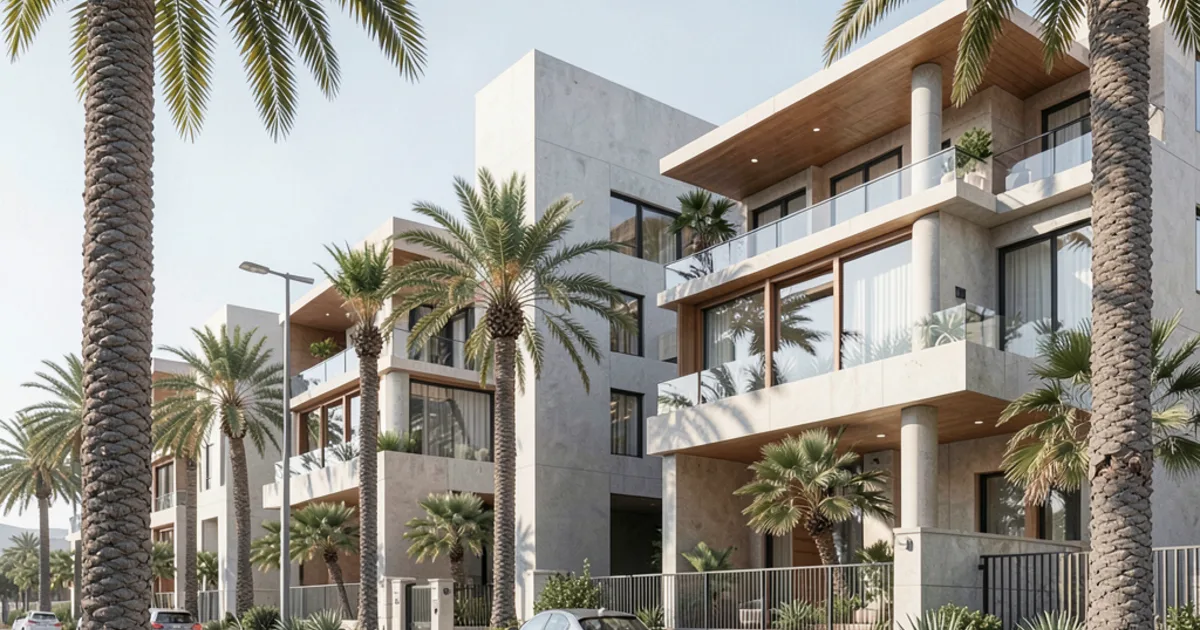
Ashdod, a vibrant port city on Israel's Mediterranean coast, presents a compelling landscape for foreign real estate investors. With its strategic location, growing population, and continuous urban development, the city offers a unique blend of lifestyle and investment potential. For those looking to secure a reliable long-term rental yield, understanding the nuances of Ashdod's diverse neighborhoods is paramount. This in-depth guide will navigate the city's real estate market, identifying areas that consistently deliver strong returns for international buyers.
- Why Ashdod Appeals to Foreign Real Estate Investors
- Understanding the Israeli Real Estate Investment Landscape
- Key Metrics for Identifying High-Yield Neighborhoods
- Neighborhood Spotlight: City Center (Rovot 1-4)
- Neighborhood Spotlight: Marina and Beachfront Areas (Rovot 15-16, 17)
- Neighborhood Spotlight: Newer Developments (Rovot 13, 14, and the future 'City of Yachts')
- Navigating the Purchase Process as a Foreign Investor
- Managing Your Investment: Property Management and Tenant Relations
- Tax Implications for Foreign Real Estate Investors in Israel
- Long-Term Outlook and Risk Mitigation Strategies
Why Ashdod Appeals to Foreign Real Estate Investors
Ashdod's appeal to foreign investors stems from several key factors that underscore its investment potential. Its status as a major port city means a constant influx of commerce and industry, contributing to a robust local economy and a steady demand for housing. The city also boasts a diverse demographic, including a significant population of Olim (new immigrants) and young families, who are often in the market for long-term rental accommodations.
Furthermore, Ashdod's strategic location, approximately 40 minutes from Tel Aviv and an hour from Jerusalem, makes it an attractive residential option for commuters seeking more affordable living costs without sacrificing access to major employment centers. This geographical advantage helps sustain rental demand and property values over time. The municipality's ongoing commitment to urban renewal and infrastructure projects further enhances the city's livability and investment attractiveness, signaling sustained growth.
The city's beautiful beaches, well-maintained parks, and a developing cultural scene also contribute to its desirability, making it an appealing place to live for various segments of the population. This broad appeal translates directly into a stable tenant pool for rental properties, reducing vacancy rates and supporting consistent rental income. For foreign investors, these combined factors paint a picture of a market with solid foundations for long-term appreciation and rental yield.
Understanding the Israeli Real Estate Investment Landscape
Before diving into specific neighborhoods, it's crucial for foreign investors to grasp the broader Israeli real estate investment landscape. The market operates differently from many Western countries, with unique legal, tax, and cultural considerations. Familiarity with terms like 'Tabu' (the official land registry), 'Mas Rekhisha' (purchase tax), and 'Mas Shevah' (capital gains tax) is essential, as these directly impact the overall cost and profitability of an investment.
Navigating the acquisition process often involves engaging local professionals, including real estate agents, lawyers specializing in property law, and tax advisors. These experts can guide investors through due diligence, contract negotiations, and ensuring compliance with all Israeli regulations. Understanding the nuances of a 'binding memorandum' (Zichron Devarim) versus a full purchase agreement is also vital to avoid potential pitfalls.
Moreover, the Israeli rental market has its own dynamics, including tenant rights, lease agreement structures, and the process for rent collection and property management. Foreign investors often benefit from hiring a reputable local property management company to handle day-to-day operations, ensuring smooth tenancy and adherence to local laws. This professional oversight can significantly mitigate risks and maximize rental yield from a distance.
Finally, for those considering a mortgage ('Mashkanta'), Israeli banks have specific criteria for foreign borrowers, often requiring a higher down payment and stricter documentation. It's advisable to explore financing options early in the investment process and understand the associated costs and terms. Diligent research and professional guidance are cornerstones of a successful investment strategy in Israel.
Key Metrics for Identifying High-Yield Neighborhoods
When evaluating neighborhoods for long-term rental yield, foreign investors should focus on several key metrics beyond just advertised rental prices. The ratio of rental income to property acquisition cost is a primary indicator, but it must be considered alongside other factors that influence long-term profitability and stability. These include local economic growth, infrastructure development, and demographic trends.
Vacancy rates are another critical metric; neighborhoods with consistently low vacancy rates indicate strong tenant demand and stable income streams. This often correlates with areas that offer good access to employment centers, educational institutions, and essential services. A thorough analysis of recent rental market data, including average time on market for rental properties, can provide valuable insights into tenant demand.
Future development plans for a neighborhood can significantly impact property values and rental potential. Areas slated for new public transportation, commercial centers, or green spaces often experience appreciation and increased desirability. Investors should research municipal plans and consult with local urban planners or experienced real estate professionals to identify such opportunities.
Lastly, understanding the 'Arnona' (municipal property tax) and other recurring expenses associated with property ownership in different neighborhoods is crucial for an accurate calculation of net rental yield. These costs can vary significantly and directly affect profitability. A comprehensive financial model that accounts for all acquisition, ownership, and management expenses is indispensable for informed decision-making.
Neighborhood Spotlight: City Center (Rovot 1-4)
Ashdod's City Center, encompassing Rovot (districts) 1 through 4, stands out as a prime area for long-term rental yield due to its central location and established infrastructure. These older, more mature neighborhoods benefit from immediate access to major commercial hubs, government offices, and a wide array of retail and dining options. The convenience factor makes them highly attractive to a diverse tenant base, including professionals, small families, and retirees.
Properties in these areas often include a mix of older apartment buildings and some renovated units, offering a range of investment entry points. While some buildings may require renovation, modernizing an apartment can significantly increase its rental appeal and command higher rents. The consistent demand for housing in the city center helps maintain high occupancy rates and stable rental income.
Investment in the City Center is also bolstered by ongoing urban renewal projects, which aim to revitalize older buildings and public spaces. These initiatives can lead to property value appreciation over time, even for properties that are not directly part of a specific project. Proximity to public transportation routes further enhances its desirability, reducing reliance on private vehicles for tenants.
For foreign investors, the City Center offers a relatively low-risk entry point into the Ashdod market, given its historical stability and sustained demand. While initial yields might be moderate compared to nascent areas, the long-term appreciation potential and consistent rental income make it a compelling choice. Thorough due diligence on specific buildings and their maintenance history is always advised.
Neighborhood Spotlight: Marina and Beachfront Areas (Rovot 15-16, 17)
The Marina and beachfront areas, primarily Rovot 15, 16, and 17, represent a premium segment of Ashdod's real estate market, offering strong potential for long-term rental yield, particularly for high-end properties. These districts are characterized by modern residential towers, luxury apartments, and proximity to the city's beautiful coastline and the bustling marina. The lifestyle appeal here attracts a different demographic of tenants, including affluent families, expatriates, and seasonal renters.
Properties in these areas typically command higher rental prices due to their superior location, amenities, and often, stunning sea views. While the initial acquisition cost may be higher, the potential for robust rental income and capital appreciation often justifies the investment. The consistent demand for quality housing in prime beachfront locations ensures relatively low vacancy rates.
The Marina itself is a hub of activity, with restaurants, cafes, and recreational facilities, adding to the allure of living in these neighborhoods. This vibrant atmosphere contributes to a high quality of life, making it a desirable destination for both long-term residents and tourists. Investors targeting this segment should consider properties that offer modern finishes, balconies, and access to building amenities like gyms or pools.
Investing in the Marina and beachfront areas requires a careful assessment of market trends for luxury rentals and a focus on property management that caters to a more discerning tenant base. While the entry barrier is higher, the potential for premium rental yields and strong long-term appreciation makes these neighborhoods an attractive option for sophisticated foreign investors.
Neighborhood Spotlight: Newer Developments (Rovot 13, 14, and the future 'City of Yachts')
Ashdod's newer developments, particularly Rovot 13 and 14, and the anticipated 'City of Yachts' project, present exciting opportunities for investors seeking growth and modern living. These areas are characterized by contemporary apartment buildings, well-planned infrastructure, and an emphasis on green spaces and community amenities. They appeal strongly to young families, professionals, and new Olim looking for modern, comfortable living environments.
Rovot 13 and 14, for example, offer a mix of residential units, parks, and proximity to schools and commercial centers, making them highly desirable for families. The properties here are generally newer, which often means lower immediate maintenance costs and modern building standards. This translates into easier tenant acquisition and potentially higher long-term tenant satisfaction.
The 'City of Yachts' (Ir Ha'Nmalim), a significant future development, promises to transform a large area into a mixed-use district with residential, commercial, and leisure facilities, centered around a new marina. While still in planning and construction phases, early investment in adjacent or forthcoming residential units within this project could yield substantial returns as the area matures and develops. Such large-scale projects signal long-term municipal commitment and growth.
Investing in these newer or developing areas requires a forward-looking perspective and an understanding of urban planning trends. While rental yields might initially be competitive, the potential for significant capital appreciation as these neighborhoods fully develop is a major draw. Foreign investors should engage with local experts to understand the timelines and specific opportunities within these dynamic growth zones.
Navigating the Purchase Process as a Foreign Investor
The purchase process for foreign investors in Israel, while structured, requires careful navigation. The first crucial step is engaging a reputable Israeli real estate lawyer who specializes in property law and is experienced with international clients. This legal counsel will conduct due diligence, review all contracts, and ensure the transaction complies with Israeli law, protecting the investor's interests.
Once a property is identified and an offer accepted, a 'binding memorandum' (Zichron Devarim) may be signed, which outlines the key terms of the deal. This is typically followed by a more comprehensive purchase agreement, which details all aspects of the transaction, including payment schedules, property specifics, and conditions for completion. It is critical that foreign investors fully understand every clause before signing.
Foreign investors are subject to 'Mas Rekhisha' (purchase tax), which is generally higher for non-residents than for Israeli citizens and varies based on the property value. It's essential to factor this significant cost into the overall investment calculation. Additionally, registering the property in the 'Tabu' (land registry) is the final step in establishing legal ownership, a process handled by the lawyer.
For those requiring financing, securing a 'Mashkanta' (mortgage) from an Israeli bank is possible, but foreign investors often face stricter lending criteria, including higher equity requirements and potentially higher interest rates. It's advisable to explore financing options and pre-approval well in advance of making an offer. Having a clear understanding of all associated costs, from legal fees to taxes and potential mortgage payments, is vital for a smooth and successful acquisition.
Managing Your Investment: Property Management and Tenant Relations
Effective property management is crucial for maximizing long-term rental yield, especially for foreign investors who may not be physically present in Israel. Hiring a professional property management company is highly recommended. These firms handle everything from tenant screening and lease agreements to rent collection, property maintenance, and addressing tenant inquiries, ensuring a smooth operation.
A good property manager will also be well-versed in Israeli tenant laws, which protect tenant rights and outline specific procedures for issues such like eviction or rent increases. This expertise is invaluable in avoiding legal disputes and maintaining positive tenant relations, which are key to reducing turnover and vacancy periods. They can also represent the owner in municipal matters, such as 'Arnona' payments.
Tenant selection is a critical aspect of property management. A thorough screening process, including background checks and financial assessments, helps ensure reliable tenants who will care for the property and pay rent on time. Clear and comprehensive lease agreements, drafted in accordance with Israeli law, are also essential for setting expectations and protecting both parties.
Regular property maintenance and timely repairs are not only important for preserving the property's value but also for tenant satisfaction. A proactive property manager will coordinate necessary repairs and ensure the property remains in excellent condition, contributing to tenant retention and sustained rental income. For foreign investors, this hands-off approach provides peace of mind and optimizes investment performance.
Tax Implications for Foreign Real Estate Investors in Israel
Foreign investors in Israeli real estate must be fully aware of the tax implications that impact their net rental yield and overall profitability. Beyond the 'Mas Rekhisha' (purchase tax) incurred at acquisition, rental income generated from properties in Israel is subject to Israeli income tax. There are different taxation routes, and consulting with a specialized Israeli tax advisor is non-negotiable.
One common option for individuals is a flat tax rate on rental income, often without the ability to deduct expenses beyond depreciation. Alternatively, investors can opt for a progressive income tax rate, which allows for the deduction of various expenses, including mortgage interest, repairs, and property management fees. The choice depends on the individual's specific financial situation and the property's income and expenses.
When selling a property, 'Mas Shevah' (capital gains tax) will be levied on the profit realized from the sale. The calculation of capital gains can be complex, taking into account the original purchase price, allowable expenses, and inflation adjustments. Certain exemptions or deductions may apply, especially for long-term holdings, but these are typically more restrictive for non-residents.
Furthermore, foreign investors need to consider their tax obligations in their country of residence, as international tax treaties may apply, potentially preventing double taxation. A comprehensive understanding of both Israeli and home-country tax laws, guided by expert advice, is essential for optimizing the investment's financial outcomes and ensuring full compliance.
Long-Term Outlook and Risk Mitigation Strategies
Ashdod's long-term outlook for real estate investment appears positive, driven by continued population growth, ongoing urban development, and its strategic economic importance as a port city. The city's commitment to expanding its infrastructure and improving quality of life suggests sustained demand for housing and potential for property value appreciation. However, like any investment, real estate in Ashdod carries inherent risks that foreign investors should proactively mitigate.
Market fluctuations, economic downturns, and changes in government policy are all potential risks. Diversifying one's investment portfolio, rather than concentrating all capital in a single property or area, can help spread risk. Staying informed about local and national economic indicators, as well as political developments, is also crucial for anticipating potential impacts on the real estate market.
Currency exchange rate fluctuations can also affect the profitability of an investment for foreign buyers, particularly when converting rental income back to their home currency or repatriating sale proceeds. Investors should consider strategies to mitigate currency risk, such as hedging options or maintaining a portion of funds in Israeli Shekels if they plan future investments in the country.
Finally, thorough due diligence on any property, including structural integrity checks, legal reviews of titles, and understanding all associated costs, cannot be overstated. Engaging experienced local professionals, lawyers, accountants, and real estate agents, who understand the specifics of the Israeli market and cater to foreign investors, is the most robust risk mitigation strategy. Their expertise provides invaluable guidance through every stage of the investment.
FAQ
What is the average long-term rental yield I can expect in Ashdod?
While specific figures can vary greatly, investors in Ashdod can generally anticipate rental yields that are competitive within the Israeli market, often ranging from moderate to strong depending on the neighborhood, property type, and market conditions. Newer, well-located properties often command stronger yields.
Are there any restrictions on foreign ownership of property in Ashdod or Israel?
Generally, there are no significant restrictions on foreign individuals purchasing property in Israel. However, the purchase tax ('Mas Rekhisha') for non-residents is typically higher than for Israeli citizens, and certain land types (e.g., those managed by the Israel Land Authority) may have specific regulations.
How does 'Arnona' (municipal property tax) impact rental yield in Ashdod?
Arnona is a recurring municipal tax paid by property owners, and its amount varies based on property size, location, and usage. It directly impacts your net rental yield, as it is an ongoing expense. Understanding the Arnona rates for specific neighborhoods is crucial for accurate financial projections.
Can I get a mortgage as a foreign investor in Israel for an Ashdod property?
Yes, foreign investors can obtain a 'Mashkanta' (mortgage) from Israeli banks, but the process often involves stricter requirements, including higher down payment percentages (sometimes 50% or more) and a more extensive documentation process. It's advisable to consult with a mortgage broker specializing in foreign borrowers early on.
What is the significance of 'Tabu' in the Israeli real estate purchasing process?
Tabu refers to the official Israeli Land Registry, which records all legal ownership and rights pertaining to a property. Registering your property in the Tabu is the final and most crucial step in establishing legal ownership in Israel, providing undeniable proof of your title to the asset.
Get your personalised shortlist
Listings and up-to-date info, straight to your inbox, free, no obligation.
Get my shortlist →