Top 5 high-yield areas in Israel for short-term rental investments
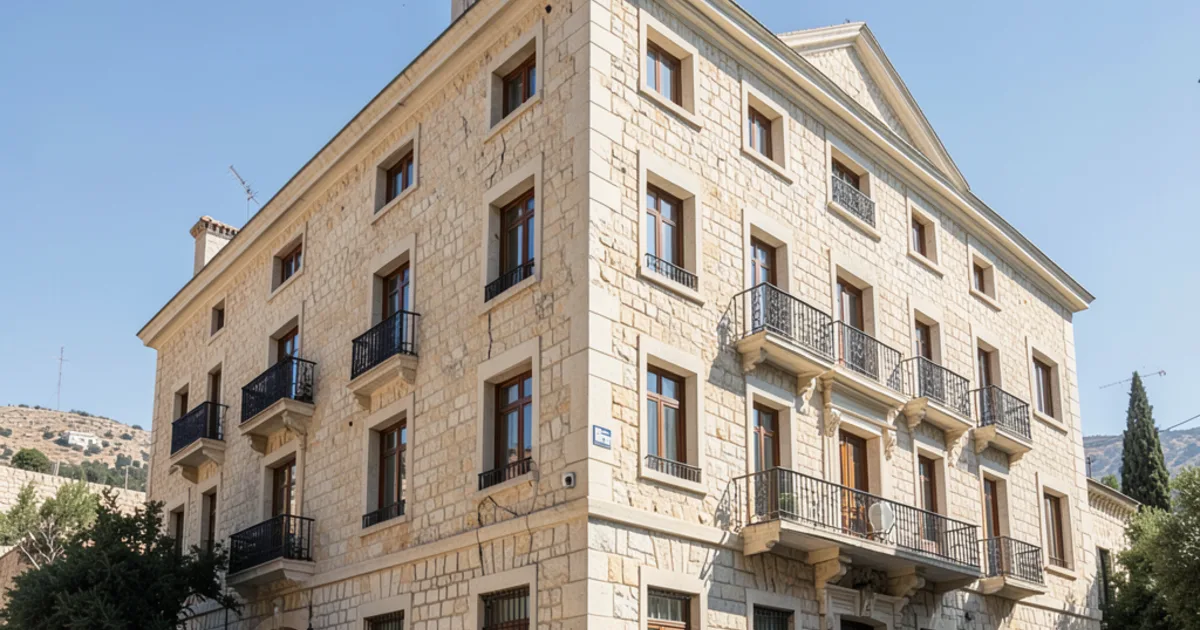
The Israeli real estate landscape is undergoing a significant shift as traditional long-term leasing models face competition from the dynamic short-term rental market. For savvy investors, the opportunity to capitalize on tourism and business travel through platforms like Airbnb offers a pathway to potentially higher returns. However, success in this niche requires more than just finding a beautiful apartment; it demands a strategic understanding of local regulations, tax implications, and geographic demand drivers.
- The Evolution of the Israeli Rental Market
- Mastering the Math: Gross vs. Net Yields
- Navigating the Legal and Regulatory Landscape
- Tel Aviv: The High-Octane Urban Center
- Eilat: The Year-Round Resort Destination
- Jerusalem: Cultural and Religious Tourism
- Netanya: The Mediterranean Coastal Appeal
- Beer Sheva: The High-Yield Alternative
- Managing Your Investment from Afar
- Essential Tax and Financial Considerations
- The Importance of Rigorous Due Diligence
- Building a Sustainable Investment Strategy
The Evolution of the Israeli Rental Market
For decades, the Israeli property market was defined by long-term residential leases, where stability and predictable monthly income were the primary goals for landlords. Investors typically sought out family-oriented neighborhoods where tenants would remain for several years, providing a steady, albeit often lower, yield. This traditional model relied heavily on the stability of the local economy and the consistent demand for housing among residents and new immigrants.
However, the rise of the digital economy and global travel platforms has fundamentally altered this dynamic. We are seeing a growing trend where property owners are pivoting toward short-term hospitality models to capture the high-margin potential of the tourism sector. This shift allows owners to adjust their pricing in real-time based on seasonality, local events, and global travel trends, offering a level of agility that traditional leasing simply cannot match.
This transition is not without its complexities, as it requires a move from being a 'landlord' to becoming a 'hospitality provider.' Investors must now consider guest experience, rapid turnover management, and the fluctuating nature of occupancy rates. While the potential for higher returns is evident, the operational demands are significantly more intensive than those of a standard residential rental agreement.
- Shift from stability to agility
- Increased focus on guest experience
- Higher potential for seasonal revenue maximization
Mastering the Math: Gross vs. Net Yields
One of the most common mistakes made by novice investors in Israel is conflating gross yield with net yield. Gross yield is a straightforward calculation: the total annual rental income divided by the total purchase price of the property. While a high gross yield can look incredibly attractive in a marketing brochure, it is a deceptive metric that fails to account for the actual costs of doing business in the Israeli market.
To understand your true profitability, you must calculate the net yield, which subtracts all operational expenses from your total revenue. In Israel, these expenses can be significant and include the monthly Arnona (municipal property tax), building maintenance fees, and utility costs such as electricity and water. Furthermore, if you are not managing the property yourself, you must factor in the commission paid to a local management agency, which can take a substantial percentage of your monthly revenue.
Another critical factor to consider is the cost of vacancy and the impact of seasonality. Unlike a long-term tenant who provides a guaranteed income for a fixed period, a short-term rental may experience periods of low occupancy, especially in cities that rely heavily on seasonal tourism. A prudent investor always builds a buffer into their financial models to account for these inevitable gaps in revenue, ensuring that the property remains cash-flow positive even during slower months.
- Gross Yield = (Annual Rent / Purchase Price) × 100
- Net Yield = (Annual Rent - Operating Expenses) / Purchase Price
- Key expenses: Arnona, management fees, utilities, and vacancy buffers
Navigating the Legal and Regulatory Landscape
The short-term rental market in Israel is increasingly being brought under the umbrella of municipal and national regulations. While the market once operated in a somewhat 'Wild West' fashion, many municipalities are now implementing specific rules to manage the impact of short-term rentals on local residential communities. It is vital for any investor to understand that the rules in Tel Aviv may differ drastically from those in Eilat or Jerusalem.
In many jurisdictions, obtaining the correct municipal permits is a prerequisite for operating a legal short-term rental business. Failure to comply with local bylaws can lead to significant fines or even the suspension of your ability to host guests. Some cities require registration with the municipality, while others may impose limits on the number of days a property can be rented out annually. Navigating these requirements often requires consultation with a local legal professional or a specialized agency.
Furthermore, investors must be aware of the distinction between residential and commercial zoning. If a property is strictly zoned for residential use, certain municipalities may place restrictions on how frequently it can be used for commercial hospitality purposes. Conducting thorough due diligence during the acquisition phase is essential to ensure that your intended business model is legally viable within the specific neighborhood you are targeting.
Tel Aviv: The High-Octane Urban Center
Tel Aviv stands as the undisputed economic and cultural heart of Israel, making it a premier destination for short-term rental investment. The city attracts a diverse mix of high-spending demographics, including international business travelers, tech professionals, and luxury-seeking tourists. Because the city serves as a global hub for innovation, the demand for high-quality, centrally located accommodations remains consistently high throughout the year.
The primary advantage of investing in Tel Aviv is the ability to command premium nightly rates. Properties located near the Mediterranean coastline or within the bustling central business districts can achieve significant revenue during peak periods. However, this high potential for income is balanced by a significantly higher barrier to entry, as property prices in the city are among the highest in the country. Investors must weigh the high capital requirement against the potential for rapid occupancy and high-margin returns.
When looking for specific opportunities in Tel Aviv, focus on neighborhoods that offer a blend of urban convenience and lifestyle appeal. Areas with proximity to major transport links, high-end dining, and cultural landmarks tend to perform best in the short-term market. While the competition is intense, the sheer volume of travelers ensures that well-managed, aesthetically pleasing properties can maintain a strong competitive edge.
- High demand from business and luxury travelers
- Premium nightly rates in central locations
- High entry costs and intense competition
Eilat: The Year-Round Resort Destination
For investors looking for a purely tourism-driven model, Eilat offers a unique and compelling proposition. As Israel's premier resort town, Eilat attracts domestic and international visitors seeking leisure, sun, and sea. Unlike the business-centric demand of Tel Aviv, Eilat's market is driven by vacationers, families, and holidaymakers, creating a very different rhythm of occupancy.
The strength of the Eilat market lies in its ability to draw crowds through various seasonal peaks, including school holidays and religious festivals. While there may be periods of lower activity, the city's status as a dedicated leisure destination provides a level of predictable demand that is rare in other regions. Investors can often find more manageable entry prices in Eilat compared to the metropolitan centers, potentially allowing for a more favorable yield-to-capital ratio.
However, investors must be prepared to manage the seasonality of the resort model. The demand in Eilat can fluctuate significantly based on the time of year, meaning that your financial planning must account for high-revenue summer months and potentially leaner winter periods. Success in Eilat requires a focus on property amenities that appeal to vacationers, such as proximity to the beach, pool access, or modern, 'holiday-ready' interiors.
Jerusalem: Cultural and Religious Tourism
Jerusalem offers a rental market that is uniquely shaped by its immense historical and religious significance. The city experiences a constant influx of pilgrims, historians, and tourists from around the globe, creating a demand profile that is almost entirely decoupled from the local economic cycles of other Israeli cities. This makes Jerusalem a highly resilient market for short-term rental investments.
The demand in Jerusalem is often concentrated around specific historical and religious sites. Properties located within walking distance of the Old City or in neighborhoods with significant cultural heritage tend to achieve high occupancy rates and premium pricing. There is also a substantial market for travelers seeking a more traditional or boutique experience, which can be captured by investing in renovated, character-filled apartments in older, established districts.
Investors should be mindful of the specific neighborhood dynamics in Jerusalem, as the city is a patchwork of diverse communities. Some areas may have much stricter local customs or municipal regulations regarding guest behavior and property usage. Understanding the social fabric of your chosen neighborhood is just as important as understanding the real estate metrics, as it will directly impact your ability to operate a successful short-term rental business.
- Resilient demand driven by religious and historical tourism
- High occupancy potential near cultural landmarks
- Need for nuanced understanding of neighborhood-specific customs
Netanya: The Mediterranean Coastal Appeal
Netanya has emerged as a significant player in the Israeli rental market, particularly for those targeting the international tourist and retiree demographics. The city's stunning Mediterranean coastline and its reputation as a pleasant seaside destination make it a magnet for travelers, particularly from Europe. This creates a steady stream of short-term demand that is often more affordable for investors than the Tel Aviv market.
One of the key advantages of Netanya is the balance it offers between coastal lifestyle and relatively more accessible property prices. Investors can often acquire high-quality apartments with sea views that command significant rental premiums without the extreme capital outlay required in the center of the country. This makes it an attractive option for those looking to build a portfolio of multiple units rather than a single high-end asset.
The market in Netanya is particularly sensitive to international travel trends. As a destination favored by many European travelers, the city's occupancy rates can be influenced by economic conditions and travel ease in those specific regions. To maximize returns, investors should focus on properties that offer a 'vacation feel,' emphasizing amenities like balconies, modern kitchens, and proximity to the beach promenade.
Beer Sheva: The High-Yield Alternative
While not a traditional tourism hub, Beer Sheva presents a fascinating high-yield opportunity for a different type of short-term rental strategy. The city is home to a major university and a growing medical and high-tech sector, which creates a constant demand for flexible, short-term accommodations. This demand is driven by visiting academics, medical professionals, and transient students or their families.
The primary appeal of Beer Sheva lies in the potential for high percentage yields due to the lower entry costs of the property market in the south. Because the purchase prices are significantly lower than in the coastal or central regions, even moderate rental incomes can result in a much higher return on investment. This makes Beer Sheva an excellent choice for investors looking for cash-flow-positive assets with a lower initial capital requirement.
However, the management style in Beer Sheva will differ from that of a resort town. The demographic here is often more purpose-driven, meaning your property should focus on functionality, high-speed connectivity, and professional-grade amenities. The turnover may be more frequent, but the demand is often more consistent and less tied to the whims of the leisure tourism industry.
- Lower entry costs compared to central Israel
- Demand driven by students, medical professionals, and tech workers
- Potential for high percentage yields through cash-flow optimization
Managing Your Investment from Afar
For many international investors, the prospect of owning property in Israel is tempered by the challenge of distance. Managing a short-term rental requires constant attention to detail, from responding to guest inquiries to coordinating emergency repairs. If you do not reside in Israel, attempting to manage these operations yourself can be a recipe for frustration and lost revenue.
The most effective solution for remote investors is to partner with a professional local management agency. A reputable agency can handle the entire lifecycle of the guest experience: from listing the property on various platforms and managing bookings to coordinating cleaning services and performing routine maintenance. While this involves an ongoing expense, the peace of mind and the professionalization of your service often lead to better reviews and higher occupancy rates.
Beyond physical management, remote investors must also stay connected to the local landscape. This might involve working with a notary for legal documents or a local accountant to manage your tax obligations. As you become more integrated into the Israeli market, you may even find it beneficial to undergo an ulpan (Hebrew language course) to better communicate with local service providers and understand the nuances of the local culture.
Essential Tax and Financial Considerations
Investing in Israeli real estate involves navigating a specific set of tax obligations that can significantly impact your net returns. The first major cost is the Mas Rekhisha, or purchase tax, which is a progressive tax paid at the time of acquisition. The rate of this tax depends on whether the property is your primary residence or an investment property, and it is crucial to factor this into your initial capital calculations.
When you eventually decide to sell the property, you will be subject to Mas Shevah, which is the capital gains tax. This tax is calculated based on the profit made between the purchase price and the sale price. Understanding how these taxes interact, and whether you qualify for any specific exemptions or deductions, is a vital part of long-term financial planning. It is highly recommended to work with a qualified Israeli tax professional to ensure compliance and optimization.
Furthermore, if you are using a Mashkanta (mortgage) to finance your investment, you must consider the implications of interest rates and the terms of your loan. Banks in Israel have specific policies regarding properties intended for short-term rental, and you must ensure that your financing structure is compatible with your intended business model. Always maintain a clear view of your debt-to-equity ratio to ensure your investment remains sustainable.
- Mas Rekhisha: Progressive purchase tax applied at acquisition
- Mas Shevah: Capital gains tax applied upon sale
- Mashkanta: Mortgage considerations and bank compliance
The Importance of Rigorous Due Diligence
Success in real estate is often determined by what happens before the contract is signed. Rigorous due diligence is the only way to protect your capital and ensure that the property you are buying is truly what it appears to be. This process begins with a thorough check of the Tabu, the official land registry, to confirm the legal ownership and ensure there are no undisclosed liens or encumbrances on the property.
The signing of the binding memorandum, or the purchase contract, is a critical milestone that should never be approached lightly. This document outlines all the terms of the sale, including the price, the closing dates, and any contingencies. It is essential to have a lawyer review this document to ensure that your interests are protected and that all representations made by the seller are legally binding.
Finally, do not overlook the physical condition of the property and the surrounding infrastructure. A beautiful apartment can hide structural issues or plumbing problems that could become massive expenses in a high-turnover short-term rental environment. Conducting a professional inspection and researching the long-term development plans of the municipality can prevent you from investing in an area that might face future challenges.
Building a Sustainable Investment Strategy
To succeed in the high-yield short-term rental market in Israel, you must move beyond the idea of 'buying and hoping.' A sustainable strategy requires a holistic approach that combines geographic selection, financial discipline, and operational excellence. Whether you choose the high-octane energy of Tel Aviv or the high-yield potential of Beer Sheva, your success will depend on how well your property meets the specific needs of its target demographic.
Diversification is another key component of a sophisticated investment strategy. Rather than putting all your capital into a single high-priced asset, you might consider spreading your investment across different cities or different types of properties. This can help mitigate the risks associated with local economic shifts or changes in municipal regulations in a specific city.
Ultimately, the goal is to create a professional hospitality business that happens to be housed in real estate. By focusing on high-quality maintenance, excellent guest communication, and a deep understanding of the Israeli legal and tax landscape, you can turn short-term rentals into a powerful and reliable engine for wealth creation. Stay informed, stay compliant, and always prioritize the long-term health of your portfolio.
FAQ
How do I manage a property if I live abroad?
The most common and effective method is to hire a professional local management agency. These agencies handle everything from guest communication and check-ins to cleaning and maintenance, allowing you to enjoy the returns without the daily operational stress.
What is the difference between Mas Rekhisha and Mas Shevah?
Mas Rekhisha is the purchase tax that you pay to the state when you buy a property, and its rate is based on the purchase price. Mas Shevah, on the other hand, is the capital gains tax you pay when you sell the property, calculated on the profit you made.
Can I use a Mashkanta for a short-term rental property?
Yes, you can use a Mashkanta to finance a property, but you must be transparent with your bank about your intention to use it for short-term rentals. Some mortgage products are specifically designed for investment purposes, while others may have different terms.
How can I ensure the property is legally registered?
You should always verify the property's status through the Tabu, which is the official Israeli land registry. This ensures that the seller has the legal right to sell the property and that there are no unexpected legal claims against it.
Get your personalised shortlist
Listings and up-to-date info, straight to your inbox, free, no obligation.
Get my shortlist →